The shipment is completed in just 24 hours
The shipment is completed in just 24 hours
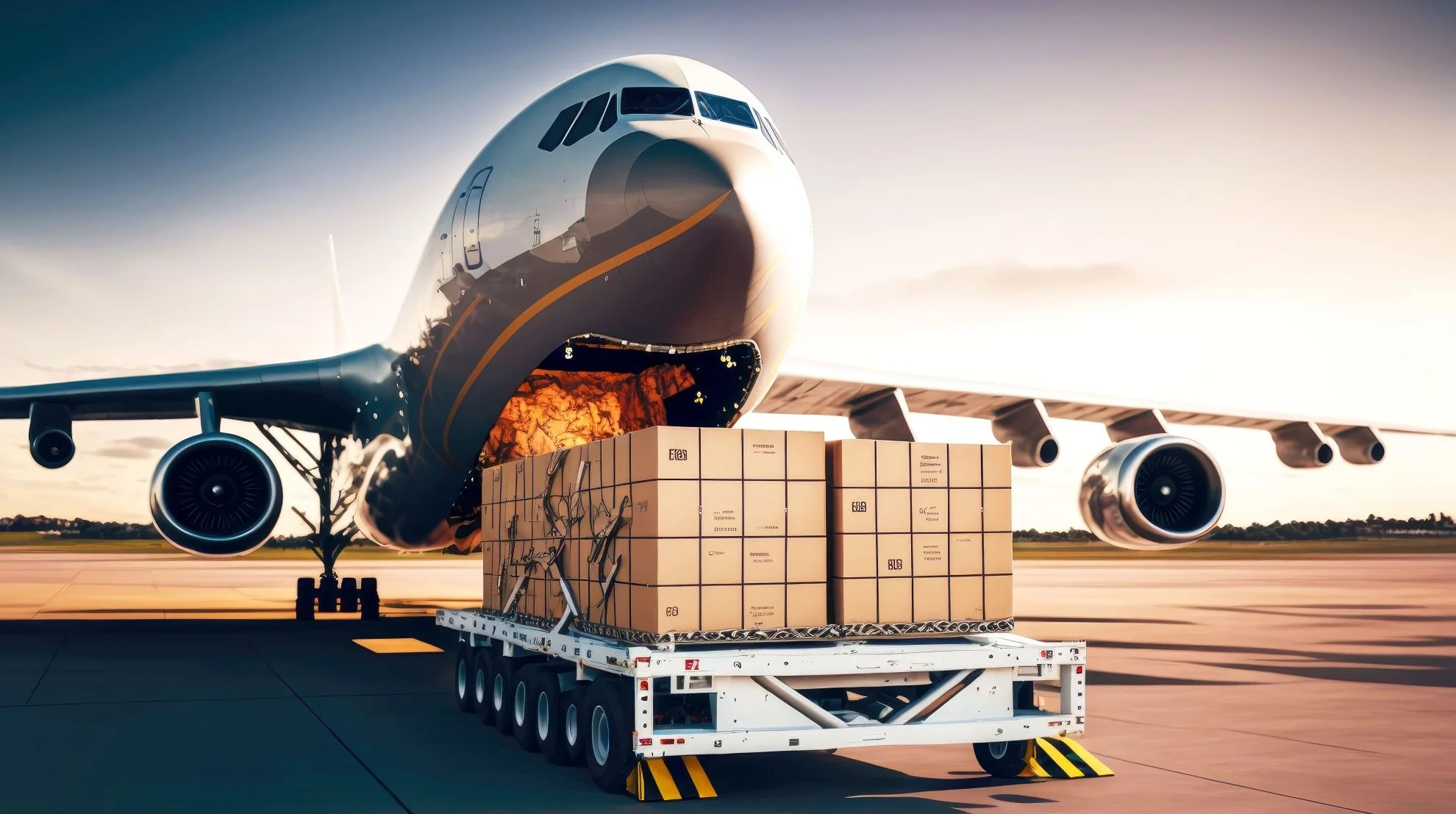
Choosing the right mode of transportation is one of the most critical logistical decisions facing companies involved in international trade. Sea freight and air freight are the two primary methods for moving goods across borders, and each has characteristics and advantages that make it the optimal choice depending on the nature of the shipment and business requirements. Sea freight is distinguished by its massive capacity to accommodate large and heavy loads at a relatively low economic cost, making it ideal for transporting raw materials and goods in large commercial quantities.
In contrast, air freight excels in extreme speed and time efficiency. When goods are perishable, such as pharmaceuticals and fresh food products, or when they are of high value and require extra security, air freight becomes the only reliable solution. Although the cost of air freight is significantly higher compared to sea freight, the speed of delivery reduces storage costs and ensures a rapid response to changing market demands and customer expectations.
In addition to the factors of cost and speed, environmental considerations are playing an increasingly important role in selecting the mode of transport. Sea freight is considered the more environmentally friendly option in terms of carbon emissions per ton of goods transported compared to air freight. Ultimately, the optimal choice relies on a precise and well-considered balance between cost, speed, the nature of the goods, and the company’s overall strategic goals in managing its supply chain.